
Property Junk Removal: A Smart Solution for Clean, Safe Spaces
- foothillsdisposal
- Dec 17, 2025
- 3 min read

Why Property Junk Removal Matters
Over time, unwanted items, debris, and discarded materials can quietly accumulate on a property. Whether it’s a residential home, rental unit, or commercial space, excess junk doesn’t just take up room—it can create safety concerns, attract pests, and reduce overall property value.
Property junk removal offers a practical solution by restoring order and maintaining clean, safe spaces. This guide explains how professional junk removal works, when it’s most useful, and why it plays an important role in responsible property maintenance.
What Is Property Junk Removal?
Property junk removal involves the professional removal of unwanted items from residential or commercial properties. Unlike routine trash pickup, it focuses on larger volumes, bulky materials, and accumulated debris that standard waste services can’t handle.
Common items removed include:
Furniture and mattresses
Appliances and electronics
Yard and storm debris
Renovation and construction waste
Leftover items from tenant move-outs
Professional services handle lifting, hauling, sorting, and proper disposal—making the process simple for property owners.
How Junk Accumulation Affects Property Safety
Cluttered properties pose more risks than many people realize. Excess junk can:
Create tripping and fire hazards
Block emergency exits or access points
Encourage pests and rodents
Trap moisture, leading to mold or structural damage
Regular property junk removal reduces these risks and helps maintain a safer environment for residents, visitors, and workers.
A Cleaner Property Is a Healthier Property
Clean spaces contribute directly to healthier living and working conditions. Removing old furniture, damaged materials, and debris improves:
Indoor air quality
Overall sanitation
Visual appeal and usability of space
For rental properties and shared spaces, routine junk removal supports better tenant satisfaction and long-term property care.
Residential Property Junk Removal
Homeowners often use junk removal services during major life changes or maintenance projects, such as:
Moving or downsizing
Estate or inheritance cleanouts
Garage, basement, or attic cleanups
Post-renovation debris removal
Professional services save time and prevent injuries by handling heavy or awkward items safely.
Commercial Property Junk Removal
Commercial properties face unique challenges due to higher traffic and operational needs. Junk removal is commonly used for:
Office cleanouts and remodels
Retail fixture removal
Warehouse or storage clearing
Property management turnover
Timely removal keeps businesses compliant with safety standards and minimizes disruption.
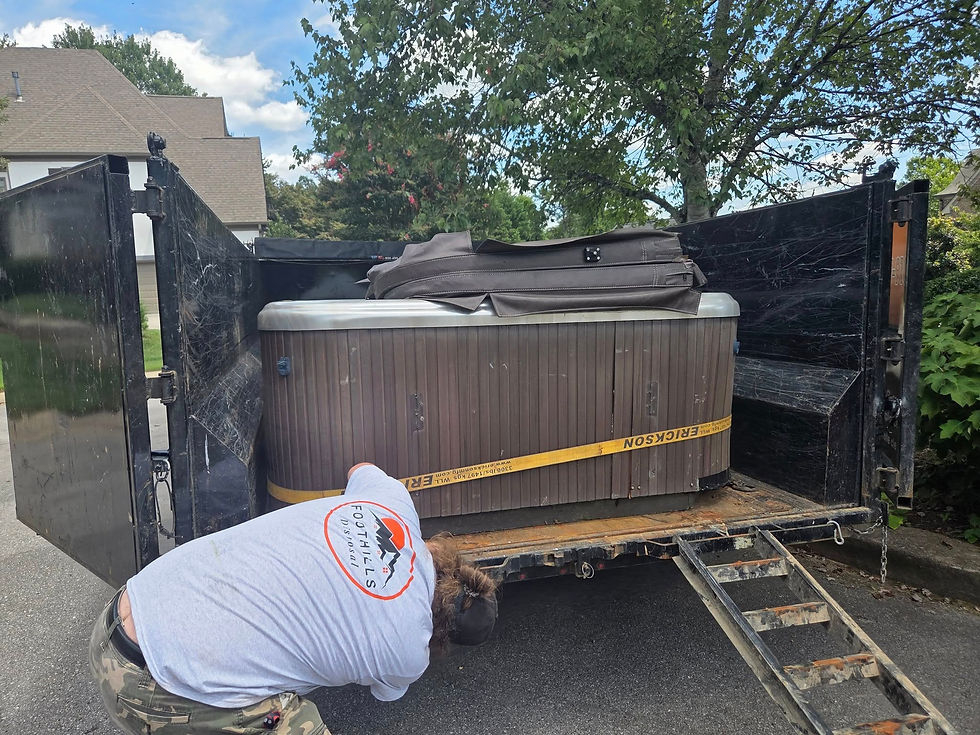
How Professional Property Junk Removal Works
While each project is different, most services follow a straightforward process:
1. Assessment and Scheduling
The provider evaluates the volume and type of junk, either on-site or through photos, and schedules removal.
2. Safe Removal and Loading
Trained crews handle all lifting and loading, protecting floors, walls, and surrounding property.
3. Sorting and Disposal
Items are sorted for recycling, donation, or disposal at approved facilities.
4. Final Cleanup
Once junk is removed, the area is left clean and ready for use.
This structured approach ensures efficiency and responsible waste handling.
Environmental Responsibility and Waste Reduction
Modern property junk removal prioritizes responsible disposal. Many professional services:
Recycle metals, cardboard, and electronics
Donate usable furniture and household items
Reduce landfill waste through proper sorting
These practices support sustainable property management while helping communities reduce environmental impact.
When Property Owners Benefit Most from Junk Removal
Property junk removal is especially useful when:
Junk exceeds what curbside pickup allows
Items are too heavy or bulky to move safely
Quick turnaround is needed for inspections or showings
Disposal rules are complex or restrictive
In these situations, professional services offer a reliable and efficient solution.
DIY vs Professional Property Junk Removal
DIY cleanup can work for small tasks, but larger projects often come with challenges such as:
Multiple disposal trips
Risk of injury
Vehicle damage
Improper waste handling
Professional junk removal streamlines the process, saving time and reducing stress for property owners.
Cost Factors to Consider
Property junk removal costs typically depend on:
Volume of materials
Type of items removed
Accessibility of the property
Disposal and recycling requirements
Most services price by load size or space used, offering flexibility for different property needs.
Short FAQ Section
What is property junk removal?It’s the professional removal of unwanted items from residential or commercial properties beyond regular trash service limits.
Is junk removal only for large cleanouts?No. Services range from single-item removal to full property cleanups.
Do professional services recycle items?Yes. Many prioritize recycling and donation whenever possible.
Is property junk removal safe?Professional crews use proper equipment and techniques to reduce injury and property damage.
Who typically uses property junk removal services?Homeowners, landlords, property managers, and business owners all commonly use these services.
Conclusion: A Practical Step Toward Better Property Care
Property junk removal isn’t just about clearing clutter—it’s about maintaining safe, functional, and healthy spaces. By removing unwanted materials responsibly, property owners protect their investment and create environments that are easier to manage and enjoy.
Whether residential or commercial, professional junk removal offers a smart, efficient solution for keeping properties clean, organized, and ready for what’s next.


Comments